Solid Carbon receiving $24M to advance ocean-based carbon dioxide removal


Professor, School of Earth and Ocean Sciences, University of Victoria
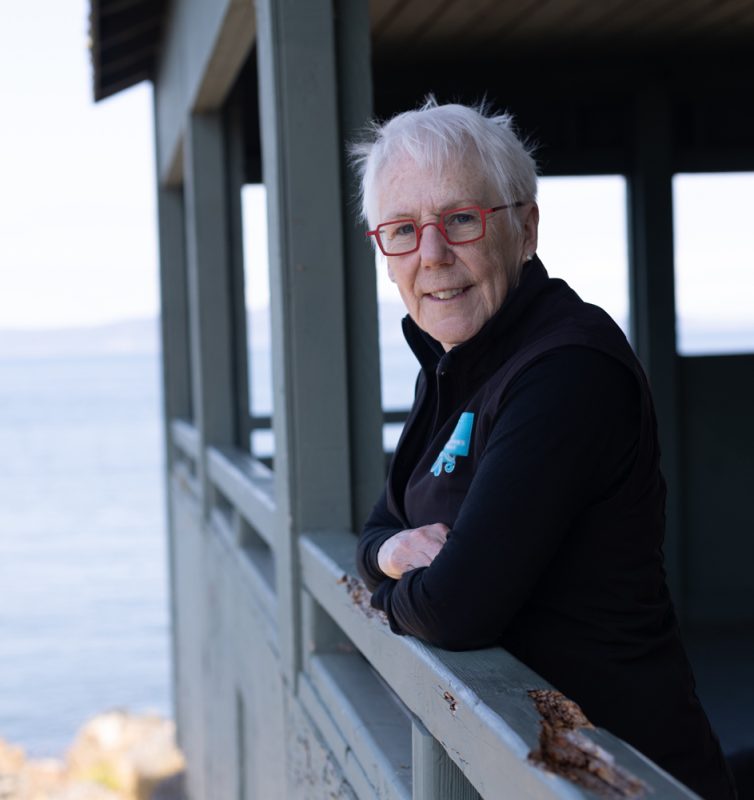
Kate Moran is a professor at the University of Victoria (UVic) School of Earth and Ocean Sciences, the lead Principal Investigator of the Solid Carbon Project, and a Researcher-in-Residence with Ocean Networks Canada (ONC). She first joined UVic in September 2011 as a professor in the Faculty of Science and as Director of NEPTUNE Canada, before leading ONC as President and CEO from 2012 until June 2026. Under her direction, ONC has developed into a Major Research Facility of Canada and a globally recognized research organization. Prior to joining UVic, Kate Moran was professor and Associate Dean at the University of Rhode Island. From 2009 to 2011, Moran was seconded to the White House Office of Science and Technology Policy where she served as an Assistant Director and focused on Arctic, polar, ocean, the Deepwater Horizon oil spill, and climate policy issues. She is active in public outreach on topics related to the Arctic, ocean observing, and climate change. Professor Moran co-led the Integrated Ocean Drilling Program’s Arctic Coring Expedition which successfully recovered the first paleoclimate record from the Arctic Ocean. She also led one of the first offshore expeditions to investigate the seafloor following the devastating 2004 Indian Ocean earthquake and tsunami. Professor Moran is a Fellow, Canadian Academy of Engineering, an Officer of the Order of Canada, a fellow of the Canadian Society of Senior Engineers, and was selected as an American Association for the Advancement of Science Fellow for the class of 2022.
BS & MS (MIT), PHD & MBA (Columbia University)
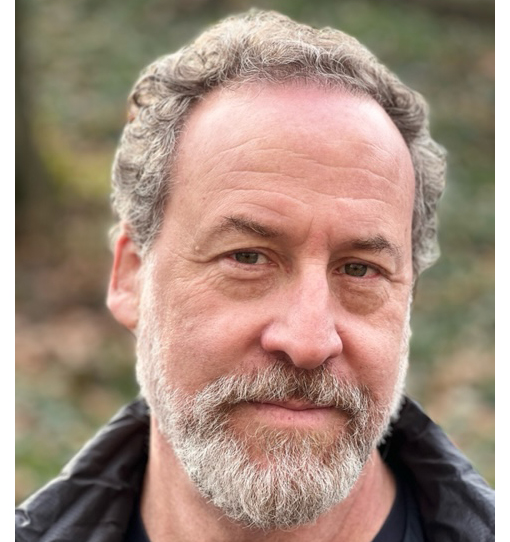
David Goldberg is Paros Lamont Research Professor in Climate Science Research and Carbon Management at Lamont-Doherty Earth Observatory of Columbia University. His interests focus on the integration of different technologies and cross-disciplinary approaches to develop achievable climate solutions. He proposed the first offshore carbon mineralization project in the Cascadia Basin in 1999. Goldberg received his undergraduate and MS degrees in earth and planetary sciences from the Massachusetts Institute of Technology, and his doctorate in geophysics and an MBA from Columbia University. He conducted post-doctoral studies at the Institut Français du Petrole in Paris and served as Principal Investigator of logging services for Scientific Ocean Drilling from 1992 through 2013. He also currently serves as Director of the Lenfest Center for Sustainable Energy, Deputy Director of the Lamont-Doherty Earth Observatory, Associate Director of the Marine Large Programs division, and a lecturer in the Columbia University Sustainability Science program.

BEng (UVic), MS (MIT), PHD (Cambridge)
Dr. Curran Crawford is the Executive Director of the Accelerating Community Energy Transformation initiative, led by the Institute for Integrated Energy Systems (IESVic) at the University of Victoria where he is a Professor in Mechanical Engineering. He was previously IESVic director, and also co-directs, the Pacific Regional Institute for Marine Energy Discovery (PRIMED). He leads projects together with a range of industrial, local/provincial/federal/Indigenous government and academic partners to innovate in the area of sustainable energy systems. Together with his graduate students and postdocs, he works to bridge his core expertise in systems engineering optimization with other academic disciplines, including policy, psychology, and business. His projects employ a range of modelling, optimization and digital-twinning methods applied to carbon capture storage and utilization and e-fuels production utilizing stranded offshore wind resources, offshore wind energy devices and arrays, tidal generation, e-transportation, and electrochemical storage performance and degradation prediction.

Professor, Institute for Resources, Environment & Sustainability, UBC
BA (UBC), MA (UNM), PhD (UNM)
Terre Satterfield is Professor of Culture, Risk and the Environment in the Institute for Resources, Environment and Sustainability at the University of British Columbia. She is an interdisciplinary environmental social scientist interested in problems of meaning and measurement in environmental management contexts. Her work adapts insights from anthropology and behavioural decision theory to understand how people perceive the risks of new technologies, and how biocultural and related value-based approaches to assessment might improve our understanding of both wild and anthropogenic marine- and landscapes. Decision contexts in which this work has been trialed include: biodiversity conservation, climate solutions, impact assessment, valuation of loss, and the regulation of food, fishing and new technologies more broadly. She has supervised more than 30 PhD students through completion. Her scholarship includes 3 books as well as publications in Science, Nature, PNAS, Global Environmental Change, Environmental Science and Technology, Climatic Change, Energy Research and Social Science, Ecological Economics, Conservation Biology, World Development, Environmental Science and Policy, etc. She is currently editor for Ecological Economics, and is a member of the federal government’s Climate Change Advisory Committee at the Impact and Innovation Unit in the Privy Council Office.
University of Victoria/ University of Oxford
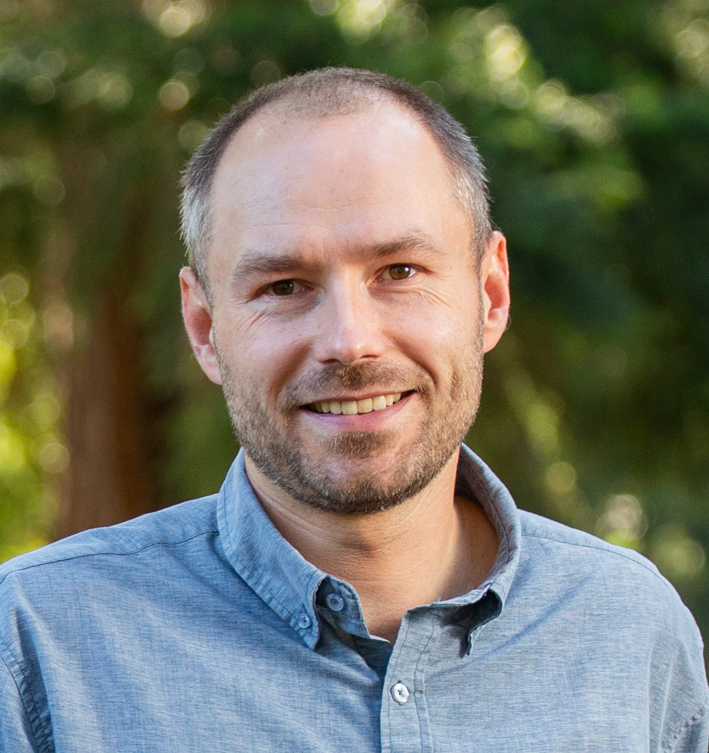
Felix Pretis is an Associate Professor in the Department of Economics at the University of Victoria, and the deputy co-director of the Climate Econometrics Project at the University of Oxford. He obtained his DPhil (PhD) in Economics from the University of Oxford (Nuffield College) where he was also a British Academy Postdoctoral Fellow. Prior to joining the University of Victoria he was also a visiting researcher at UC Berkeley. His research has been supported by grants from the British Academy, Robertson Foundation, and the Canadian Social Sciences and Humanities Research Council (SSHRC). His research concentrates on econometrics, climate and environmental economics, with a particular focus of applying econometric techniques to climate problems. He is the co-founder of the Climate Econometrics research network spanning more than 300 researchers and his publications include articles published in Science, PNAS, the Journal of Econometrics, Nature Energy, the BMJ etc.