
 Scroll down to learn more
About Solid Carbon
Solid Carbon is developing a scalable offshore marine carbon dioxide removal technology designed to turn CO2 into rock. The project’s international team of researchers, led by the University of Victoria, is advancing a system to capture CO2 from the atmosphere and inject it beneath the seafloor into ocean basalt. There, it reacts with the basalt and mineralizes into rock, providing a durable and vast reservoir for carbon storage. Leveraging Ocean Networks Canada’s subsea observing infrastructure will enable transparent, near-real-time monitoring, reporting and verification (MRV) of this technology, and advance global climate goals.

Why do we need Solid Carbon?
Solid Carbon is not a replacement for rapid CO2 emissions reductions. But it is now well recognized that, under all emissions reduction scenarios, carbon dioxide removal technologies must be included on a large-scale. Global deployment of the Solid Carbon solution is vital for the planet, environment and our future generations.
How Solid Carbon works
The Solid Carbon goal is to integrate six separate, yet proven technologies into a fully integrated system that will extract CO2 from the atmosphere through (1/6) Direct Air Capture (DAC) technology, installed on an (2/6) ocean floating platform, powered by (3/6) wind and/or solar, and (4/6) injects the CO2 into the subsea floor (5/6) using ocean engineering technology, where it will (6/6) react with the basalt and mineralize into stable rock.
 Capture CO2
Ocean floating platform technology will house the Direct Air Capture technology. The renewable-energy powered platform will extract CO2 in-situ from the atmosphere nearby ocean basalt.
 Pump CO2 Below Seafloor
Captured CO2 will be injected directly into the porous ocean basalt. Trapped by a naturally occurring ocean sediment layer above the basalt, the CO2 will have a security cap that is over 300m thick.
 CO2 Becomes Rock
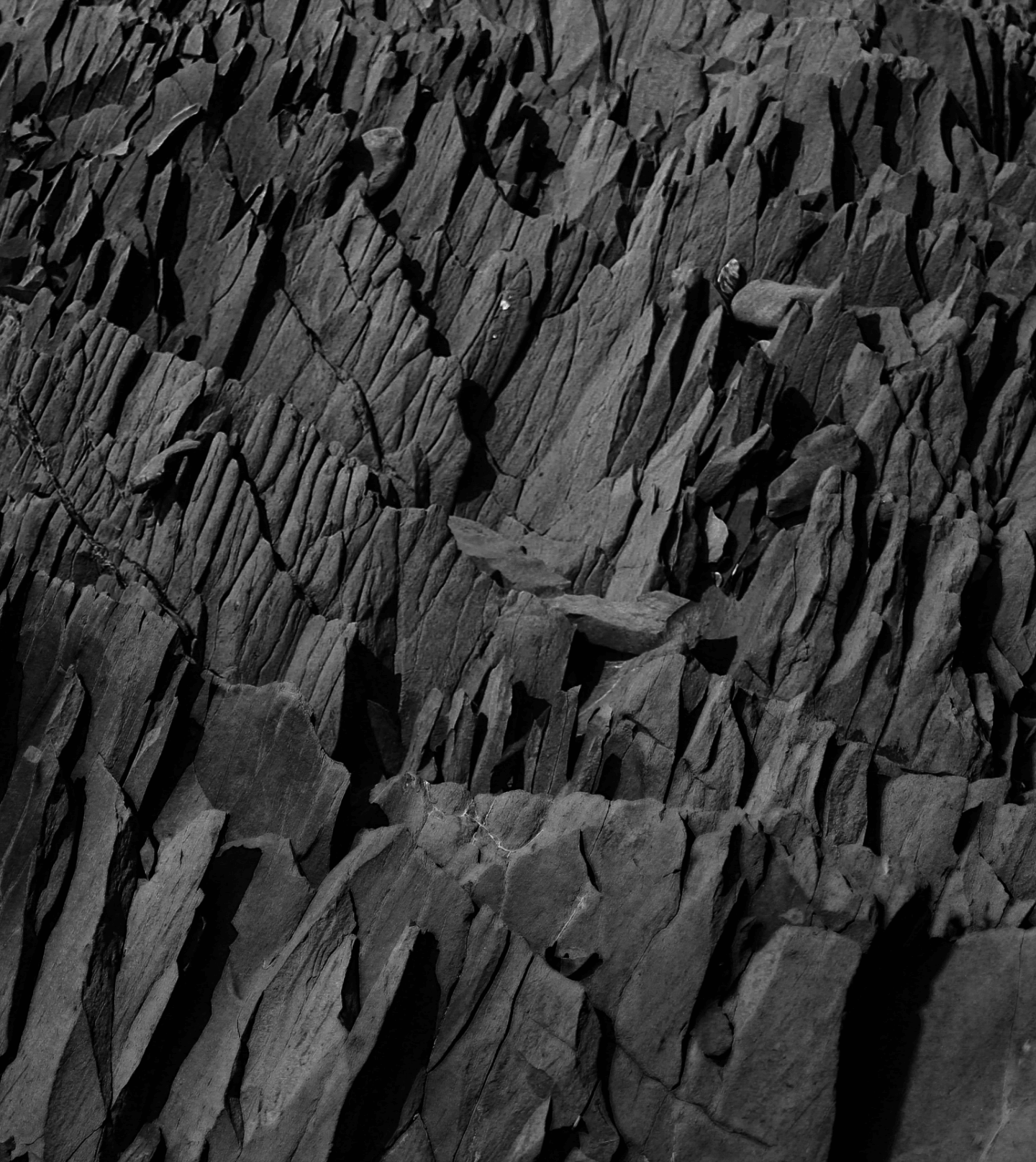
Iceland’s CarbFix experiment proved that when CO2 is pumped into basalt on land, it reacts chemically and mineralizes into rock over a short time. 95% of the planet’s basalt lies beneath the ocean floor, presenting a compelling, permanent solution for remediating decades of global carbon dioxide emissions.

The Solid Carbon Plan
Pre-Feasibility Study
CarbonSafe, a 2017 study funded by the US Department of Energy and led by Columbia University, conducted a pre-feasibility study to evaluate technical and nontechnical aspects of sequestering 50 million metric tons of carbon dioxide in a safe, ocean basalt reservoir offshore Washington State and British Columbia. CarbonSafe is the basis for Solid Carbon’s continued research.
Feasibility Study,
Development and Testing
Building on the results of CarbonSafe, in 2019 the four-year Solid Carbon feasibility study led by Oceans Networks Canada was funded by the Pacific Institute for Climate Solutions (PICS). Solid Carbon’s international team of researchers worked in three Activity areas of research. The study was completed in April 2024.
Activity 1:
Activity 2:
Activity 3:
Field Demonstration
Solid Carbon now looks to undertake a field demonstration in deep ocean basalt off the west coast of Canada. This is supported in part by $24-million in funding over six years from the Government of Canada’s New Frontiers in Research Fund (NFRF), which supports high-impact, transdisciplinary research. Ocean Networks Canada’s existing infrastructure will enable real-time monitoring to demonstrate that ocean basalt is a safe and permanent carbon removal solution. Solid Carbon welcomes interest from additional technical and funding partners to maximize this opportunity.
Wider Deployment
A successful demonstration will establish the technical, environmental, and social conditions for responsible expansion of Solid Carbon. The research to date points to it being a viable solution for globally scalable CO2 removal. Solid Carbon may create new economic opportunities and position Canada as a green economy leader.
The Team
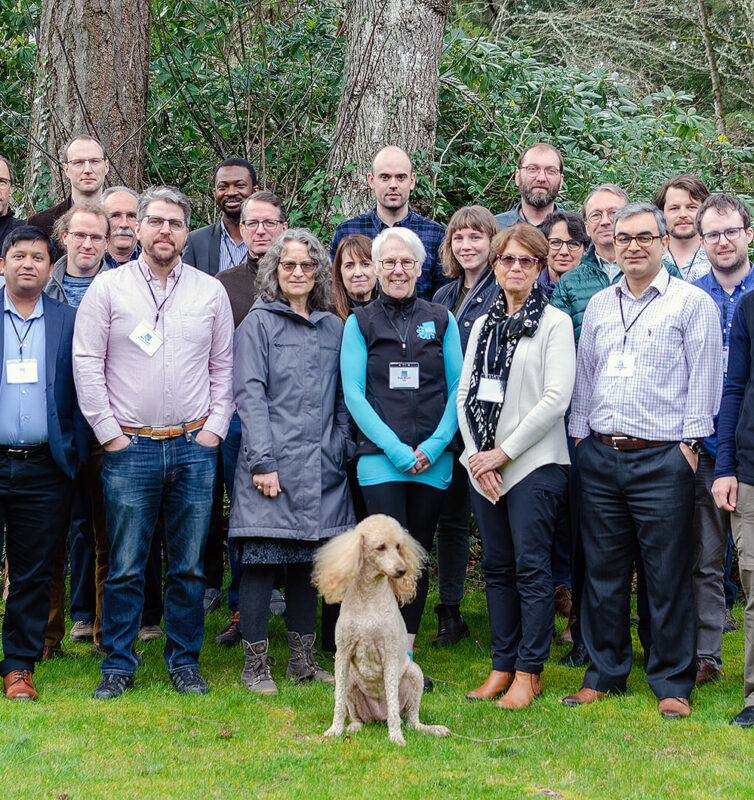
Solid Carbon: A Carbon Dioxide Removal Technology brings together leading-edge researchers from Canada, the United States, and Europe, all committed to advancing research and providing rock solid climate solutions.







Responding to climate change-related disasters—heat waves, extreme storms, coastal retreat, wildfires, ocean acidification, loss of drinking water and mass migrations—costs hundreds of billions of dollars globally. Solid Carbon responds to the urgent need for credible carbon removal and supports Canada’s climate action plan’s goal of net-zero emissions before 2050. The next decade will see carbon removal become a mainstream industry and a global economic opportunity. By leveraging the Solid Carbon team’s expertise and Ocean Networks Canada’s infrastructure as a Major Research Facility, Canada is uniquely positioned to take the early lead.
In the News
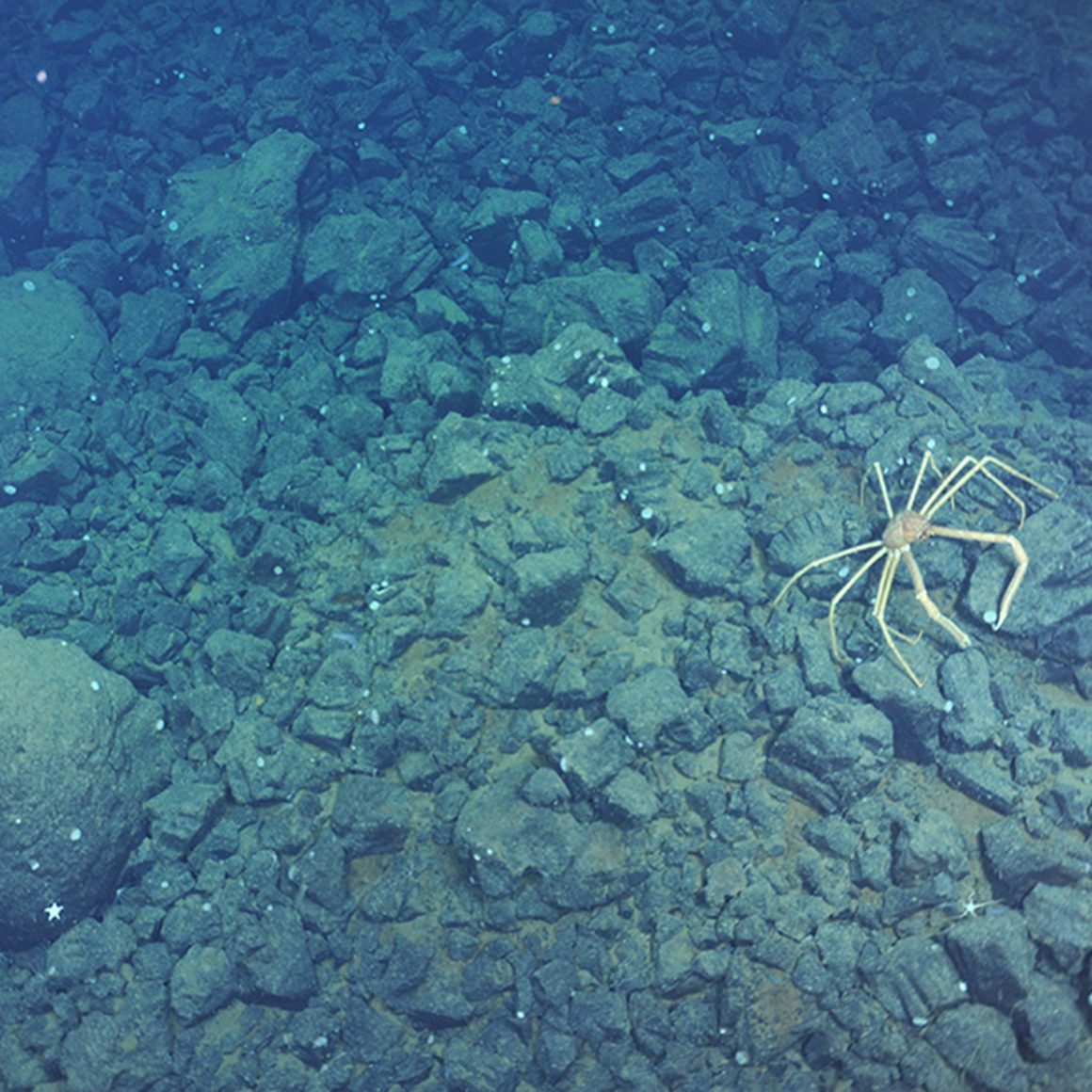
Solid Carbon receiving $24M to advance ocean-based carbon dioxide removal
FAQs
What are negative emissions and Negative Emissions Technologies (NETs)?
The concept of negative emissions is the idea of pulling out more carbon dioxide (CO2) from the Earth’s atmosphere than what we introduce. Negative Emissions Technologies (NETs), which can also be called carbon dioxide removal (CDR), is the suite of solutions which remove CO2 from the atmosphere or upper ocean and permanently store it. They are distinct from other climate mitigation actions which are limited to emissions reductions or decarbonization like CO2 capture at fossil power plants.
Why are NETs needed?
Human activities have altered the natural global carbon cycle through decades of emitting greenhouse gases (GHGs). To redress that imbalance, NETs, alongside drastic GHG emission reductions, are required to meet the 2015 Paris Agreement goal of limiting the global average temperature increase to 1.5°C above pre-industrial levels. This goal cannot be met by emissions reductions alone.
Hundreds of billions of tonnes of CO2 (100’s of Gt CO2) need to be removed from the atmosphere cumulatively by the year 2100. The sooner we can build and implement NETs, alongside emissions reductions and decarbonization, the better. Crossing the 1.5°C threshold risks unleashing far more severe climate change impacts, including more frequent and severe droughts, heatwaves, storms and rainfall.
What is Solid Carbon’s vision? What makes Solid Carbon unique?
Solid Carbon aims to reverse the effects of anthropogenic global warming and climate change by permanently removing excess CO2 from the atmosphere via a scalable Negative Emissions Technologies solution.
Solid Carbon makes use of the world’s largest possible reservoir for CO2 sequestration—ocean basalt, which reacts with the CO2 to turn it into carbonate rock. The initiative is unlike some other sequestration options, which inject CO2 into saline aquifers or depleted hydrocarbon reservoirs where it remains CO2 for many thousands of years. Solid Carbon is therefore durable, safe, and scalable.
More than 95% of the world’s basalt is beneath the ocean floor making Solid Carbon globally scalable at locations where ocean basalt occurs, with a virtually unlimited storage capacity.
Solid Carbon is designed to be powered by clean and renewable energy. It harnesses abundant offshore wind energy, is self-contained, and avoids land-use competition. Ocean Networks Canada’s existing ocean observing infrastructure at Cascadia Basin can provide transparent monitoring, reporting, and verification of Solid Carbon in near real-time, opening the pathway for a global climate solution.
How much CO2 can Solid Carbon capture?
Solid Carbon has few technical limitations and could scale up to capture and sequester significant amounts of CO2 with global impact to mitigate climate change.
As an example, just the basalt of the Cascadia Basin, which is part of the Juan de Fuca oceanic plate off the North American west coast, has the potential to provide safe storage of over a hundred billion tonnes (Gt) of CO2, theoretically up to 750 Gt – this equates to about 100 years worth of North America’s current carbon emissions, or over 15 years’ worth of current (2024) global carbon emissions.
Around the world, similar safe and accessible ocean basalt regions exist with an estimated overall total carbon removal potential of several tens of thousands of Gt of CO2, which is more than would ever be needed.
In terms of how much CO2 Solid Carbon can capture per year, this is only limited by available renewable energy and injection capacity, but our research shows that Solid Carbon is globally scalable to 10+ Gt of CO2 per year, reaching the magnitude of what is needed to limit global warming to the levels agreed to in the Paris Agreement. This also helps mitigate hard-to-decarbonize sectors such as aviation, agriculture and steel production as these sectors transition to a low-to-no emissions future.
How long does it take for CO2 to turn into rock?
In 2012, a team of international researchers and engineers injected a small amount of CO2 into porous basalt on land at a test site in southwest Iceland. Within two years, most of the CO2 had reacted to become carbonate rock. This was showcased at the World Economic Forum and published in Science.
The Solid Carbon team has conducted geochemical modelling and experiments to estimate outcomes for an ocean basalt demonstration at Cascadia Basin off the west coast of Canada. The time for this mineralization process to occur depends on many factors, such as how much CO2 is injected, or if any accelerative techniques will be used, such as adding water to the CO2. However, rock formation would start immediately and be completed in decades at most, compared to the many millennia for traditional sedimentary carbon reservoirs.
Is the captured CO2 being used for fossil fuel production?
No. Solid Carbon does not support fossil resource extraction or enhanced hydrocarbon recovery. It intends to adapt the energy sector’s expertise and technology towards positive climate action – shifting from extraction to healing. Our vision is a socially responsible transition of energy expertise, to new clean tech careers.
Is the offshore sequestration of CO2 permitted by international treaties?
Disposal-at-sea is governed by “London Convention on the Prevention of Marine Pollution by Dumping of Wastes and Other Matter 1972” (London Convention), and the “1996 Protocol to the Convention on the Prevention of Marine Pollution by Dumping of Wastes and Other Matter, 1972” (London Protocol). The original convention did not anticipate subseafloor CO2 sequestration. Environment and Climate Change Canada is working on implementing the London Protocol, allowing for sub-seabed storage of CO2 as well as the trans-boundary movement of CO2 for storage.
What is Solid Carbon’s current status?
Solid Carbon has successfully completed a comprehensive four-year desk study, laboratory experiments and modelling funded by the Pacific Institute for Climate Solutions, assessing the feasibility from engineering, geoscience, regulatory, and social science perspectives. This research followed a 1.5-year pre-feasibility study, CarbonSAFE Cascadia, that was funded by the United States Department of Energy. Having demonstrated the feasibility of Solid Carbon as a climate mitigation solution, the project’s next steps are a field demonstration and continuous monitoring at Canada’s Cascadia Basin, a preliminary engineering and design assessment of a Cascadia production system, and a technical, regulatory, and social framework for expanding globally. In March 2025, the Government of Canada awarded Solid Carbon $24-million over six years to advance these next steps through its New Frontiers in Research Fund (NFRF).
Why does Solid Carbon need a demonstration?
A demonstration of sequestering a small amount of CO2 into ocean basalt will serve as a proof-of-concept and advance global scientific knowledge. Based on prior experience with geosequestration of CO2 on land, Solid Carbon partners can be confident of permanent containment, but we stand to improve our knowledge on the speed and extent of mineralization. The knowledge gained through a demonstration will be invaluable to future site identification and system designs.
What research objectives and uncertainties will a demonstration address?
A demonstration will refine our performance estimates and inform future site developments. The demonstration will validate socially responsible injection and monitoring strategies, reveal the extent of subsurface CO2 propagation, and quantify the scope and speed of mineralization. The demonstration may also inform estimates of overall capacity, establish per-wellhead parameters necessary for injection network design, and develop the technology supply chains for subsequent development.
How safe is Solid Carbon?
Research conducted by the Solid Carbon project partners has addressed many of the potential or perceived risk factors to confirm that CO2 can safely be injected and stored below the impermeable seafloor, permanently removing it from the atmosphere.
We calculated that there is effectively no risk of causing seismic movement at Cascadia Basin in a large-scale scenario, and the demonstration will corroborate these results in the field.
The Solid Carbon team also concluded from comprehensive modelling that the dense sediments overlaying the permeable basalt injection site will seal in the CO2 below. Should the CO2 unexpectedly penetrate the sediments, it will convert to solid ice-like CO2 hydrate and form a secondary trap. The safety of this process will be demonstrated during the proposed demonstration at Cascadia Basin by thorough ongoing real-time monitoring that utilizes a comprehensive list of sensors, including seafloor camera observations..
All aspects of the demonstration project will be transparent and engage with the public, and especially with local Indigenous communities, as we mutually seek solutions for mitigating the climate change crisis.
How does the designation of Canada’s newest Marine Protected Area impact Solid Carbon?
The proposed Solid Carbon project at the Cascadia Basin is within the Tang.ɢwan – ḥačxwiqak – Tsig̱is Marine Protected Area (TḥT MPA). Fisheries and Oceans Canada (DFO) collaboratively manages the MPA with First Nations partners. Solid Carbon partners, led by University of Victoria, work closely with DFO and First Nations to follow regulatory processes when conducting scientific activities within the TḥT.

